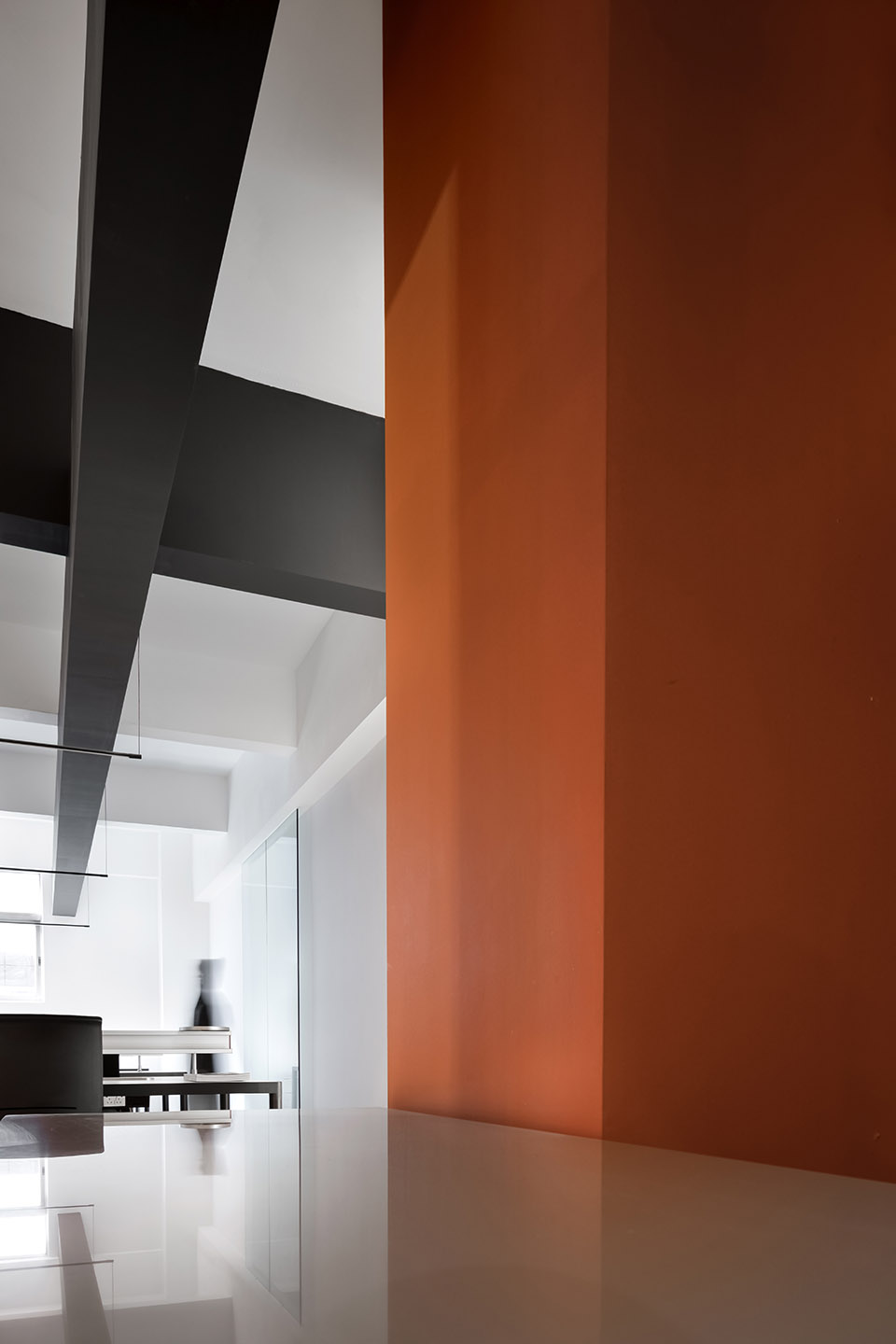
Ever Wonder How the World’s Top Companies Create Work Environments That Drive Their Success?
In a world where competition is fierce and talent retention is critical, the design of an office space has become more than just a matter of aesthetics. Companies are now recognizing that an office is not merely a place where work gets done—it’s a strategic asset that can influence employee performance, innovation, and satisfaction. But how do top-performing companies create workspaces that drive success and engagement?Office Design Interior Jakarta Selatan
The answer lies in Office Interior Design Jakarta Selatan, where innovative design thinking meets local context to foster high-performance environments that are functional, adaptable, and deeply connected to organizational culture. At our firm, we consistently set new benchmarks for office design excellence, crafting spaces that support collaboration, well-being, and productivity, all while driving business growth.
The Evolution of Workplace Design: More Than Just a Desk and Chair
Gone are the days of the “cubicle farm.” Today’s workplaces are dynamic, flexible environments designed around how employees work, collaborate, and thrive. Companies in Jakarta Selatan, with its bustling business districts like Kuningan and SCBD, are increasingly adopting forward-thinking office designs that embrace hybrid work, Activity-Based Working (ABW), and employee-centric strategies.
Designing with purpose means understanding the evolving work culture and shaping spaces that encourage connection and innovation.
The Key to High-Performance Workplaces: Aligning Design with Organizational Goals
A truly high-performing workplace is created not just through beautiful design, but by understanding the deeper layers of how the organization functions. Workplace strategy and cultural alignment are the foundation of every office space we create. Whether it’s a flexible workspace that encourages creative collaboration or a quiet zone that fosters focused work, we ensure every space aligns with the company’s core values and goals.
Space Planning Based on Workflow Analytics
When planning office layouts, we use workflow analytics to understand how employees interact with the space and with each other. The goal is not just to design for aesthetics, but to create spaces that optimize work processes and minimize time spent on non-productive activities. For example, we might analyze the flow of teams in a co-working space or open office, ensuring easy access to collaboration zones while maintaining privacy when needed.
In Jakarta Selatan, where traffic congestion can impact productivity, having well-optimized spaces that reduce unnecessary movement is a powerful strategy for improving employee efficiency.
Hybrid Work and Activity-Based Working (ABW): Designing for Flexibility
The hybrid work model has become the new norm in many industries. While some employees prefer the flexibility of working remotely, others thrive in an office environment that promotes interaction. How do you design an office that accommodates both?
The solution lies in Activity-Based Working (ABW), which focuses on creating a variety of spaces for different tasks—whether it’s a collaborative meeting area, a quiet zone for focused work, or a lounge for informal brainstorming sessions.
In Jakarta Selatan, a city where professional culture often emphasizes both innovation and collaboration, ABW spaces are becoming an essential element of office design. The ability to flexibly adjust spaces based on the task at hand not only enhances productivity but also strengthens company culture by providing employees with the autonomy to choose how and where they work.
Employee Well-being and ESG Considerations
More than ever before, organizations are prioritizing employee well-being and Environmental, Social, and Governance (ESG) factors in office design. Employees now expect spaces that go beyond simple comfort; they want environments that support their physical, emotional, and mental health.
Wellbeing-Centered Design
The mental health of employees is just as important as their physical space. In Jakarta Selatan, where urban density can create a high-pressure environment, designing offices that reduce stress and improve well-being is crucial. This includes incorporating natural light, green spaces, biophilic design elements, and ergonomic furniture. These strategies not only promote well-being but also enhance employee engagement and retention.
Sustainability at the Forefront
As organizations in Jakarta Selatan are increasingly aware of their environmental responsibilities, incorporating sustainable materials and energy-efficient technologies into office designs is essential. From low-energy lighting to recyclable materials, sustainability is now a core consideration in creating high-performance office spaces.
Brand-Driven Spatial Storytelling: Designing with Purpose
A well-designed office is not only functional; it should also reflect the company’s brand. Brand-driven spatial storytelling weaves the organization’s values, mission, and vision into every element of the space, creating an immersive experience for employees, clients, and visitors alike.
Whether it’s through visual design elements, color psychology, or signage, every design decision should reinforce the company’s narrative. This is particularly important in the heart of Jakarta Selatan, where companies are constantly striving to maintain a competitive edge. A strong brand presence in the office space fosters a sense of pride and connection among employees, contributing to both company loyalty and client trust.
Technology-Enabled Environments: Future-Proofing the Workplace
In today’s digital age, technology is integral to workplace design. From smart conference rooms and digital collaboration tools to IoT-enabled lighting and HVAC systems, modern offices need to be tech-ready.
In Jakarta Selatan, where technology adoption is growing rapidly, integrating technology into the physical space has become a key component of office design. Technology can streamline operations, enhance productivity, and improve the overall employee experience.
Our firm uses advanced tools to integrate seamless technology solutions, ensuring that your office is future-proof and equipped for the demands of tomorrow’s workforce.
Measuring Impact: From Design to Performance
A great office space is one that delivers measurable outcomes. How does design influence employee productivity, collaboration, and talent retention? These are the key performance metrics we track when designing office spaces. By using tools like employee surveys, space utilization data, and productivity assessments, we can evaluate the effectiveness of design decisions and make adjustments as needed.
In Jakarta Selatan, where real estate is competitive and talent is in high demand, the ability to measure the impact of office design is crucial for companies looking to maximize ROI and improve employee satisfaction.
Why Choose Our Firm for Office Interior Design Jakarta Selatan?
At our firm, we are more than just designers; we are strategic partners who understand the intricacies of creating high-performing, future-ready work environments. Our approach combines:
-
Strategic workplace planning that aligns with organizational goals
-
Human-centric design that prioritizes well-being and productivity
-
Advanced technology integration to future-proof your workspace
-
Brand-driven design to create immersive experiences
Our proven track record in Office Interior Design Jakarta Selatan showcases our ability to turn vision into reality, creating spaces that not only look great but work hard for your business.
Connect with us in


