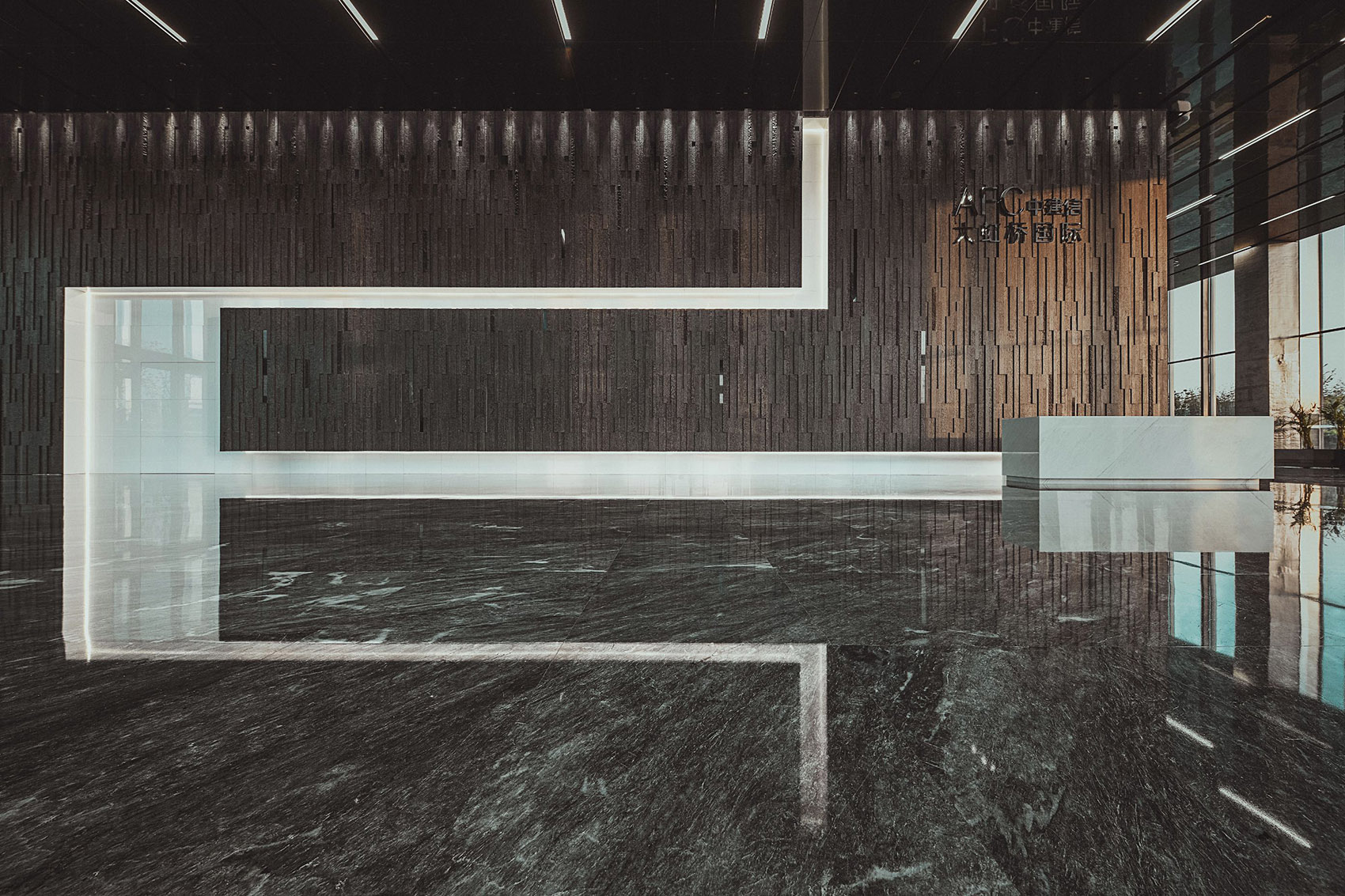
Interior Design Jakarta Selatan | From Destinations to Living Environments: The Future of Hospitality Design
Hospitality design is no longer only about where people stay. In 2026 and beyond, it is increasingly about how people live, connect, work, and emotionally experience space. Hotels, resorts, lifestyle lounges, and mixed-use developments are evolving from temporary destinations into immersive living environments—places where hospitality, wellbeing, culture, and daily life intersect seamlessly.Interior Design Jakarta Selatan
In Jakarta Selatan, this transformation is happening rapidly. From the dynamic business corridors of SCBD and Mega Kuningan to the lifestyle-driven neighborhoods of Kemang and Senopati, hospitality spaces are becoming social ecosystems. Guests are no longer simply checking in for accommodation—they are seeking environments that feel flexible, meaningful, and emotionally restorative.
At our firm, we approach interior Design Jakarta Selatan through a hospitality-led lens that blends emotional intelligence, operational understanding, and future-focused spatial thinking. We believe the boundaries between hospitality, residential, workplace, and lifestyle environments are dissolving, creating new opportunities to design spaces that feel more human, immersive, and connected to everyday life.
“Sekarang orang mencari pengalaman, bukan sekadar tempat.”
Today, people seek experiences—not simply places.
The Shift from Destination to Living Environment
Traditionally, hospitality spaces were designed around temporary stays and transactional experiences. Today, that model feels incomplete.
Modern hospitality environments are increasingly multifunctional:
- coworking hubs by day
- social lounges by evening
- wellness retreats on weekends
- community spaces throughout the week
Hotels are becoming extensions of lifestyle itself. Guests may work remotely from the lobby, host meetings over coffee, or spend entire afternoons in social spaces without ever entering their rooms.
This shift requires hospitality environments to feel more adaptive, welcoming, and emotionally intelligent. In interior Design Jakarta Selatan, this means designing spaces that support not only movement and efficiency, but also belonging and comfort.
Hospitality Design in the Experience Economy
Luxury today is no longer defined purely by visual grandeur.
Guests increasingly value:
- authenticity
- emotional connection
- cultural immersion
- personalization
- sensory atmosphere
Hospitality has entered the experience economy, where people remember how a place made them feel more than how it looked.
At our firm, we focus on designing emotionally layered experiences through:
- spatial storytelling
- sensory engagement
- atmospheric lighting
- tactile materiality
- carefully choreographed transitions
In Jakarta Selatan’s competitive lifestyle market—especially around Senopati, Gunawarman, and Kuningan—these details define whether a hospitality environment feels memorable or forgettable.
The Blurring of Hospitality, Residential & Workplace Design
One of the most significant shifts in modern design is the merging of typologies.
Hospitality spaces increasingly borrow from residential warmth:
- softer furniture
- intimate lounge atmospheres
- layered textures
- home-like comfort
At the same time, workplaces are becoming more hospitality-inspired:
- café-style collaboration zones
- wellness lounges
- social activation spaces
Mixed-use developments across Jakarta Selatan reflect this evolution clearly. Lifestyle environments now combine:
- boutique hospitality
- branded residences
- coworking ecosystems
- retail and dining experiences
The result is a new kind of hybrid environment—spaces that support multiple rhythms of life simultaneously.
Designing for Wellness & Human Connection
People are increasingly aware of how environments affect emotional wellbeing.
Hospitality design today must support:
- mental restoration
- social connection
- sensory comfort
- emotional calm
In our approach to interior Design Jakarta Selatan, wellness is integrated subtly but intentionally through:
- biophilic design principles
- natural daylight strategies
- acoustic comfort
- breathable spatial planning
- tactile natural materials
- greenery and soft transitions
Especially in a dense urban city like Jakarta, hospitality environments have become places of emotional relief—tempat untuk recharge dan merasa tenang.
Technology & the Future Guest Experience
Technology is reshaping hospitality rapidly, but the challenge is ensuring digital convenience does not eliminate human warmth.
Future hospitality environments increasingly integrate:
- AI-driven personalization
- smart room controls
- contactless experiences
- data-informed guest behavior strategies
- seamless digital infrastructure
However, true hospitality remains emotional.
Technology should quietly support experience—not dominate it. At our firm, we believe future-ready hospitality environments balance innovation with intimacy, efficiency with emotional resonance.
Designing Hospitality Spaces in Jakarta Selatan
Jakarta Selatan presents a highly distinctive hospitality context
Connect with us in


